Reference
Reference, serial context, metal, size and claimed production period
Use ↑ ↓ to move, Enter to open, Esc to close.
Horology desk · 6 model routes
Reference, movement and service history must agree. Inspect the claim, preserve interventions and prepare an honest next transaction.
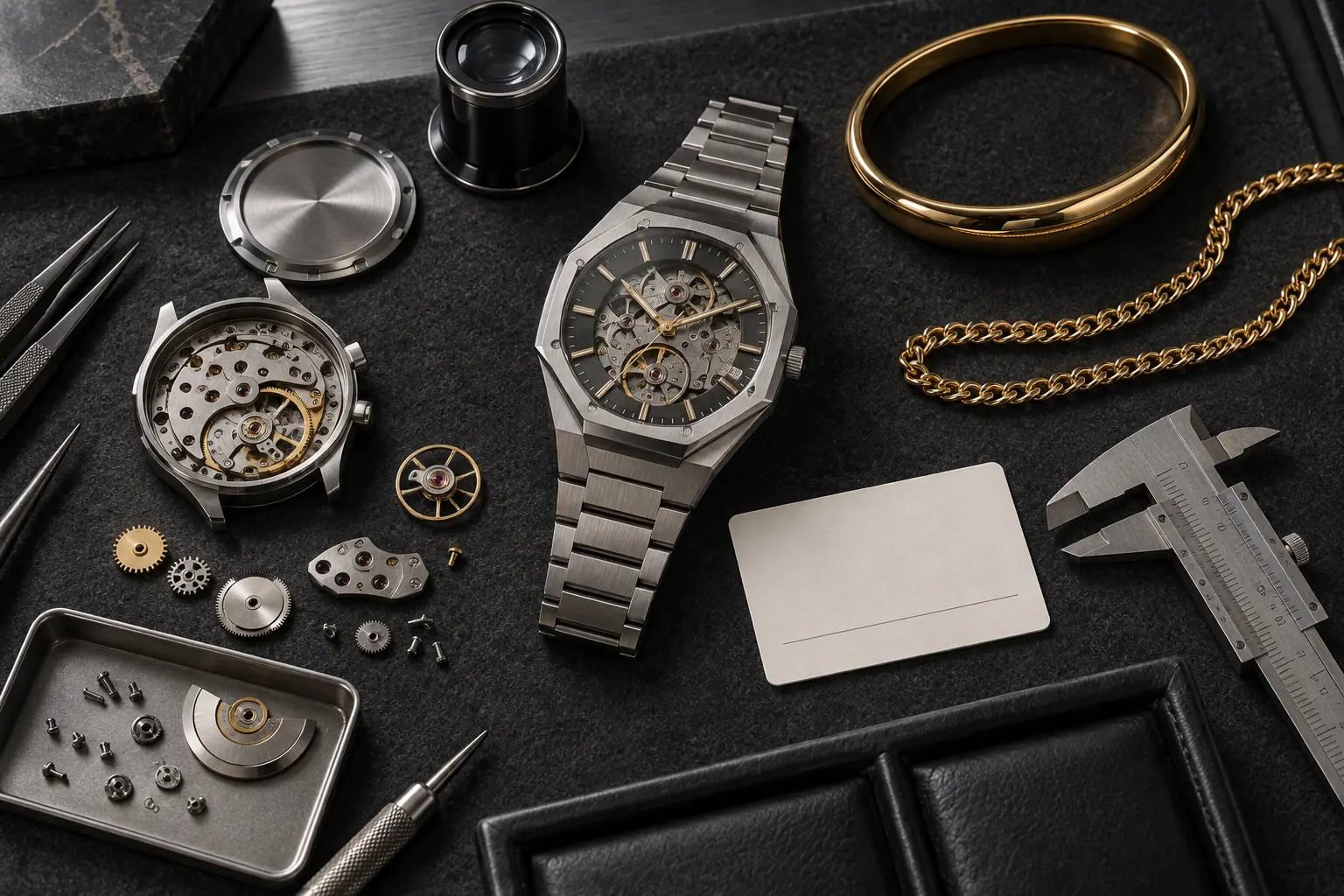
The five-part evidence system
Reference, serial context, metal, size and claimed production period
Dial, hands, bezel, crystal, crown, pushers, case and bracelet
Calibre identity, condition, function and qualified watchmaker observations
Rate, power reserve and water-resistance evidence with test date
Estimate, replaced parts, refinishing choices, warranty and return record
Repair-aware inspection
Repair history is neither automatic proof nor automatic suspicion. The useful question is whether the current object and its records tell one disclosed story.
Legitimate service parts can be newer than the case and may affect collectability. Record the part and service date.
Refinishing may remove scratches but also alter edges and surface geometry. Request the scope before approval.
A replacement or period-mismatched assembly needs explanation; it is not automatically counterfeit and should not be hidden.
Preserve the evidence
6 model guides
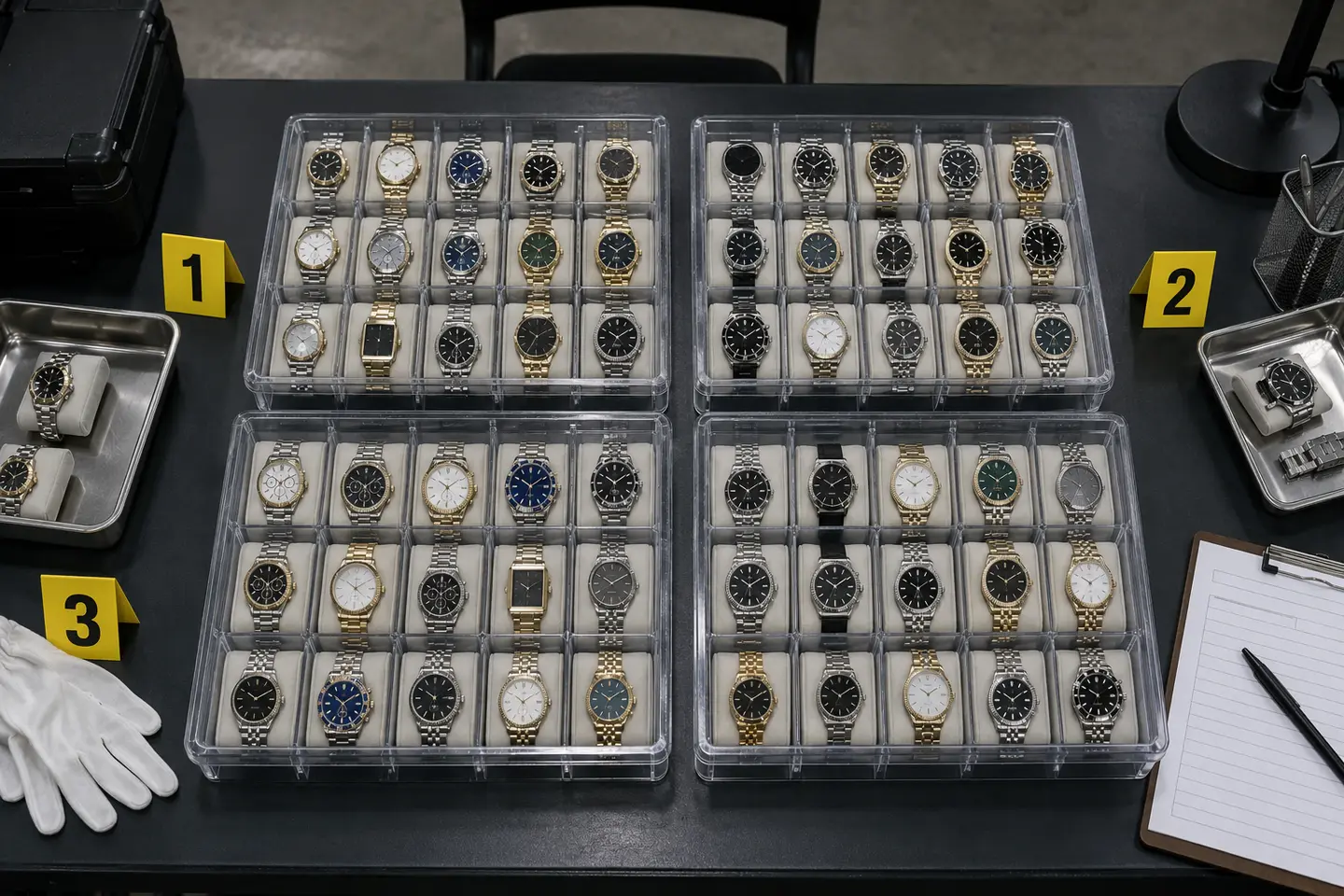 Rolex
RolexStart with the reference, not the dial alone.
Open evidence guide → Rolex
RolexA famous dial is not a complete identity.
Open evidence guide →OmegaReference, dial, case and movement must tell the same story.
Open evidence guide →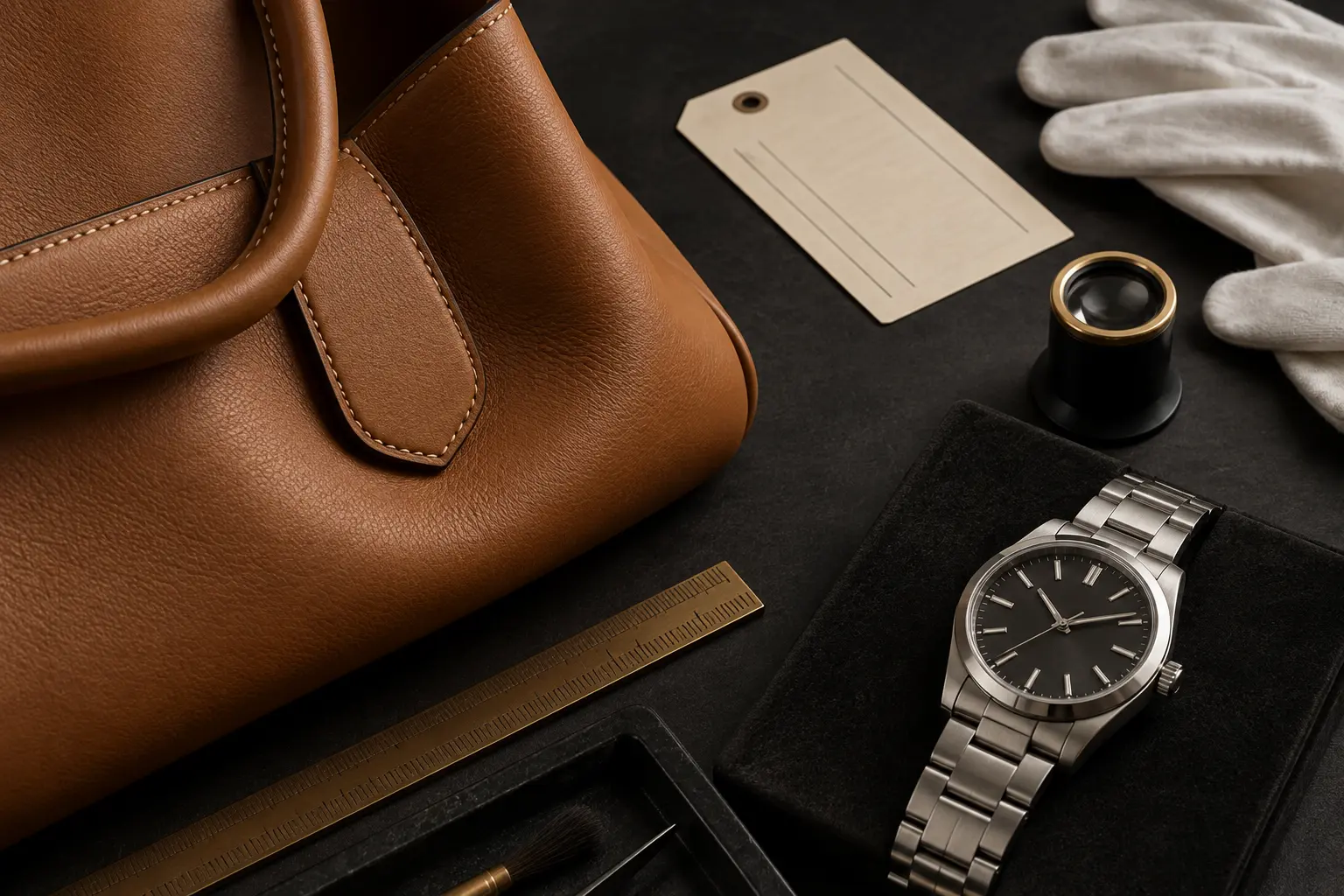 Cartier
Do not let the bezel screws become the whole test.
Open evidence guide →Patek PhilippeReference, case, dial and movement must tell one period-correct story.
Open evidence guide →Audemars PiguetCase finishing and bezel are evidence groups—not shortcuts.
Open evidence guide →Watches FAQ
It documents a service event under its stated scope. It may not certify every prior component or ownership claim.
Yes. Dial, hands, bezel, crown, movement and bracelet changes can matter to both function and collector context.
Sometimes geometry and finish provide clues, but conclusions require reference-specific expertise and good comparison evidence.
Follow the maker’s current guidance and actual use. Water exposure, impact, timing changes and vintage context can justify earlier specialist assessment.