Bags / Gucci
GG Marmont
Matelassé, hardware and construction must form one coherent record.
Resolve shape, size, material, hardware and season context before interpreting quilting, closure, interior or number stamps.
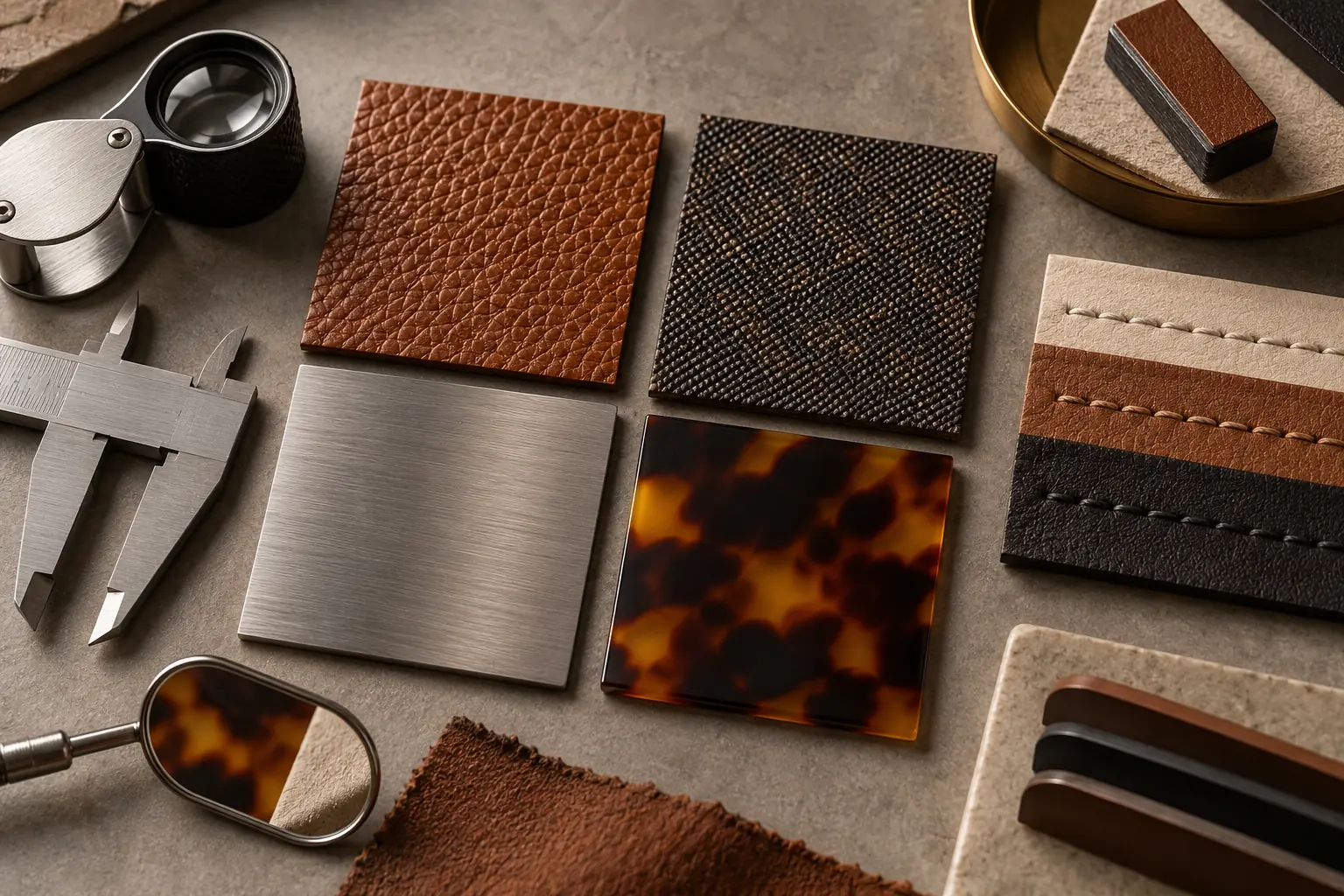
Begin with an identity claim.
Resolve shape, size, material, hardware and season context before interpreting quilting, closure, interior or number stamps.
PieceID does not authenticate this item. “Unknown” is not “fake”; one matching feature is not “genuine”.
Your evidence checklist
- Exact shape and size
- Capture a clear overview and close detail. Record what is visible, the claimed configuration, the comparison source and what remains unknown.
- Matelassé pattern and seams
- Capture a clear overview and close detail. Record what is visible, the claimed configuration, the comparison source and what remains unknown.
- Leather texture and finish
- Capture a clear overview and close detail. Record what is visible, the claimed configuration, the comparison source and what remains unknown.
- Double G hardware in context
- Capture a clear overview and close detail. Record what is visible, the claimed configuration, the comparison source and what remains unknown.
- Chain and strap construction
- Capture a clear overview and close detail. Record what is visible, the claimed configuration, the comparison source and what remains unknown.
- Interior lining and label
- Capture a clear overview and close detail. Record what is visible, the claimed configuration, the comparison source and what remains unknown.
- Number stamp as one clue
- Capture a clear overview and close detail. Record what is visible, the claimed configuration, the comparison source and what remains unknown.
- Retail, repair and seller records
- Capture a clear overview and close detail. Record what is visible, the claimed configuration, the comparison source and what remains unknown.
Signals to pause the transaction
- The seller resists basic evidence. Missing profile, interior, identifier or provenance images matter more than a polished listing.
- The story moves when questioned. Model, size, year, purchase location or repair history changes after you request detail.
- One token is treated as proof. A code, chip, receipt, dust bag, box or platform tag is used to dismiss inconsistent construction.
- Pressure replaces verification. Urgency, off-platform payment or refusal of a protected return path raises transaction risk.
Common questions
Does a matching serial number prove authenticity?
No. Identifiers can be copied, altered, misread or paired with another item. Treat them as one part of a coherent evidence record.
Can photos prove this item is fake?
Photos may reveal inconsistencies or missing evidence, but many high-stakes conclusions require physical examination and relevant specialist expertise.
What should I request from the seller?
Request the exact model and period claim, clear photos of every evidence group, an unedited listing record, purchase or service trail, and a return path.
What is the strongest first step?
Verify the seller and transaction protections, then test whether the item’s configuration, construction and documents tell one consistent story.
Sources and scope
A number that looks plausible is not proof. Gucci’s current catalogue cannot settle every prior-season variation.
Open the official or authority source →
PieceID inspection prompts are independent editorial guidance, not a procedure issued or endorsed by the referenced house. Historical variants, repairs and replaced parts can change appearance.
Community notes
Was this guide useful? Reactions rate the guide—not an item’s authenticity.
Loading community notes…